Hotline
+86-136 8495 9862
Email:cennia@szmizhi.com
Add::104,Building 27,Third Industrial Zone, Longxi Community,Longgang District,Shenzhen,China.
Coil Forming & Handling Equipment
Surface Treatment Equipment
Solutions
Application
About Us

Welcome to MIZHI
For consultation/feedback, please call the service hotline: +86-136 8495 9862 Email:cennia@szmizhi.com

Coil Forming & Coil Handling Solutions
Surface Treatment Solutions


Our company is well received by customers with perfect solutions, good product quality, performance, and after-sales
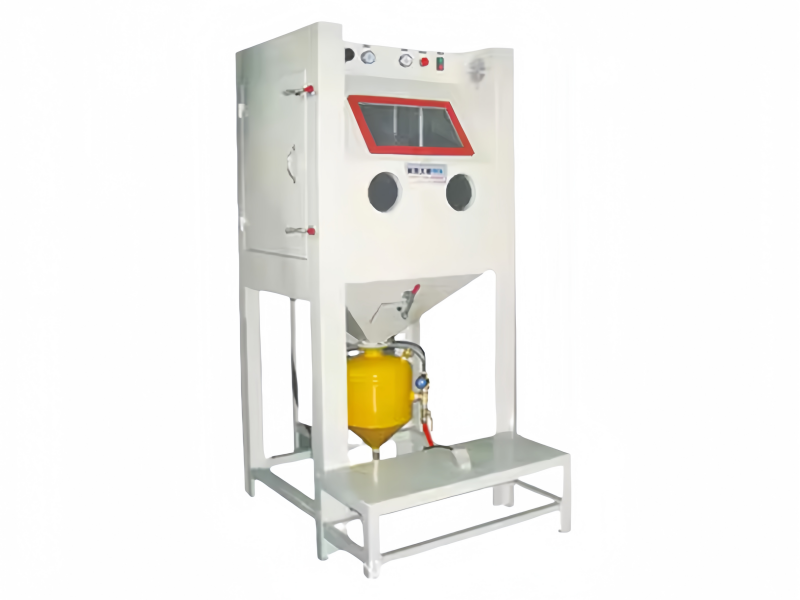
In the realm of industrial surface treatment, the need to create or modify rough surfaces is prevalent across numerous sectors. High pressure sand blasting machines have emerged as a powerful and versatile tool for achieving rough surface treatment, offering a precise and efficient method to alter surface textures. Whether it's enhancing the adhesion of coatings, improving friction properties, or preparing surfaces for bonding and welding, these machines play a crucial role in various manufacturing, construction, and maintenance processes.
Traditional surface treatment methods often struggle to meet the diverse and demanding requirements of modern industries when it comes to creating consistent and controlled rough surfaces. High pressure sand blasting machines, on the other hand, leverage the force of high velocity abrasive particles propelled by compressed air to abrade and reshape surfaces, providing a reliable solution for rough surface treatment. This article will delve into the working principles, key components, advantages, applications, and future trends of high pressure sand blasting machines used for rough surface treatment, highlighting their significance in enhancing the performance and functionality of various materials and structures.
Industrial high pressure sand blasting machines designed for large-area surface treatment represent the pinnacle of abrasive blasting technology, combining immense power with operational efficiency to tackle expansive surfaces such as ship hulls, storage tanks, bridge decks, and industrial flooring. Unlike portable or small-scale systems, these machines are engineered to handle coverage areas ranging from thousands to tens of thousands of square meters, featuring high-pressure capabilities (up to 30 bar), massive media handling capacities, and advanced automation to ensure uniform results at scale. The technology addresses the unique challenges of large-area blasting, including consistent surface profile creation, minimal downtime, and cost-effective media management.
Key characteristics of these systems include:
High-pressure propulsion systems for rapid material removal
Large-volume media hoppers and efficient recycling
Automated or semi-automated blasting mechanisms
Robust construction for continuous heavy-duty operation
This segment of blasting technology has evolved to meet the demands of industries requiring rapid, high-quality surface preparation for coating, maintenance, or refurbishment of large infrastructure and industrial assets.
In the ever evolving field of surface treatment, the demand for more efficient, environmentally friendly, and versatile solutions has led to the development of innovative technologies. Among these, the high pressure sand blasting machine with a water injection system represents a significant advancement. This cutting edge equipment combines the powerful rust removal and surface preparation capabilities of traditional sand blasting with the unique benefits of water injection, addressing many of the limitations associated with conventional sand blasting methods.
Traditional high pressure sand blasting machines, while effective in removing rust, paint, and other contaminants from surfaces, often generate a substantial amount of dust, pose safety risks to operators, and can cause damage to delicate surfaces due to the high velocity impact of abrasive particles. The integration of a water injection system into sand blasting machines offers a multi faceted solution, reducing dust emissions, cooling the surface during the blasting process, and providing better control over the abrasive action. This article will explore the working principles, key components, advantages, applications, and future trends of high pressure sand blasting machines with water injection systems, highlighting how they are transforming surface treatment across various industries.
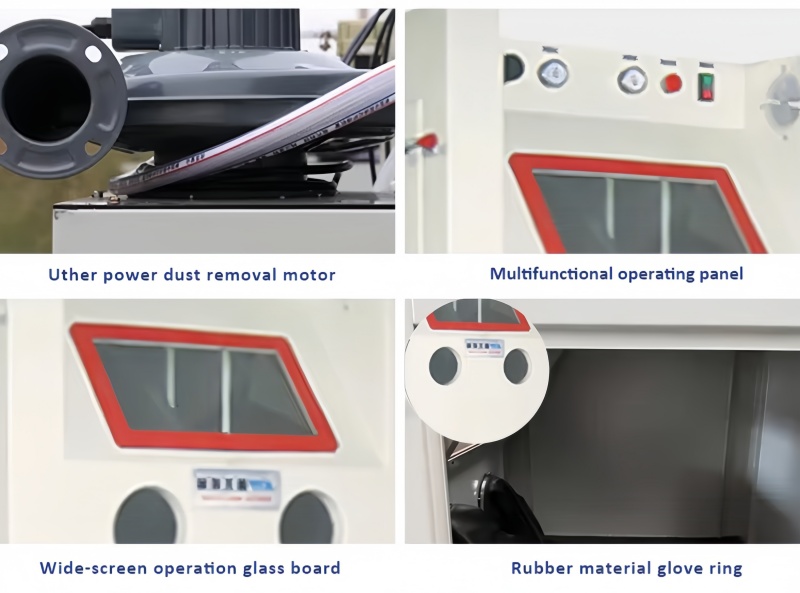
Portable high pressure sand blasting machines have revolutionized on-site surface treatment, offering mobility and power for cleaning, descaling, and finishing in remote or hard-to-reach locations. Unlike stationary systems, these compact units combine high-pressure capabilities (up to 20 bar) with transportability, making them ideal for construction, ship repair, pipeline maintenance, and emergency restoration projects. The technology balances robust performance with portability, featuring lightweight designs, self-contained power sources, and quick-setup mechanisms to address the unique challenges of field operations.
Key features of portable high pressure sand blasters include:
High-pressure air or hydraulic systems for intense abrasive propulsion
Compact footprint and ergonomic design for easy transport
Modular components for quick maintenance and customization
Adaptability to diverse media, from sand to steel grit, for versatile applications
This segment of blasting technology has evolved to meet the demands of industries requiring rapid, on-site surface preparation without compromising on performance or precision.
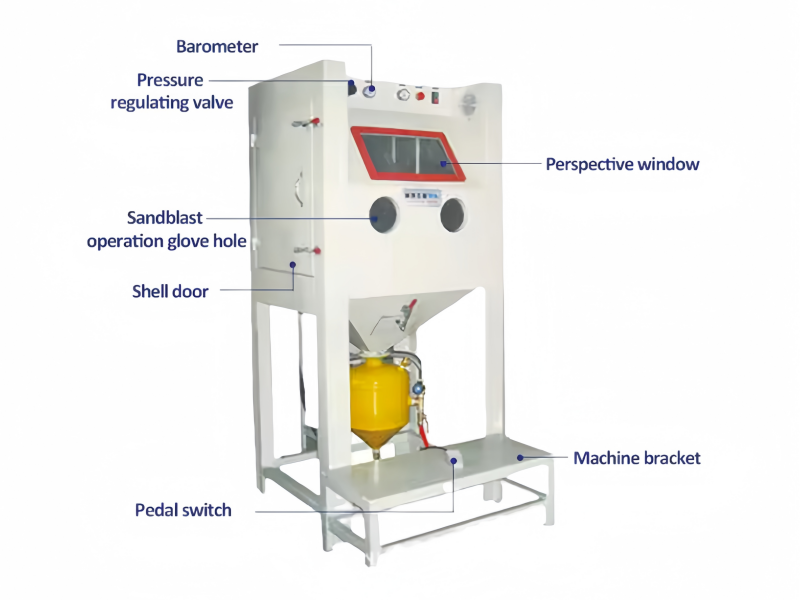
In the industrial landscape, rust is a persistent and costly problem that can compromise the integrity, functionality, and lifespan of metal structures and components. High pressure sand blasting machines have emerged as a highly effective solution for rust removal, offering a powerful and efficient method to restore metal surfaces to their original state. These machines utilize the force of high velocity sand particles propelled by compressed air to blast away rust, scale, paint, and other contaminants, leaving behind a clean and prepared surface for further treatment or application.
The demand for high pressure sand blasting machines for rust removal has grown significantly across various industries, including construction, manufacturing, shipbuilding, and maintenance. Their ability to handle large scale rust removal tasks quickly and effectively makes them an essential tool for ensuring the durability and reliability of metal assets. This article will provide a comprehensive overview of high pressure sand blasting machines for rust removal, exploring their working principles, key components, advantages, applications, and future trends.
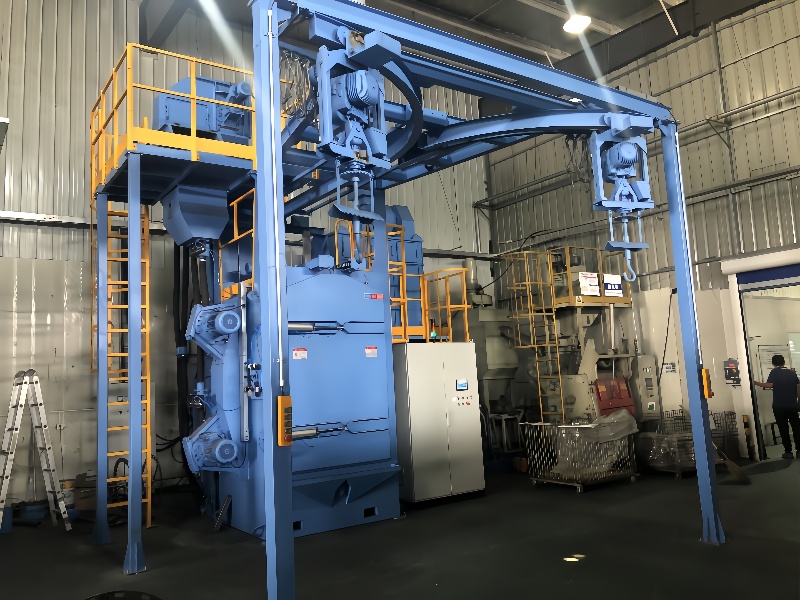
Shot peening has emerged as a pivotal technology in metalworking, offering a non-heat treatment method to enhance surface hardness and mechanical properties of metallic components. Unlike traditional heat treatment, which can alter material microstructure throughout the part, shot peening selectively hardens surfaces by inducing compressive residual stresses, making it ideal for components where core ductility must be preserved while improving surface durability. This process is particularly critical for parts subjected to wear, fatigue, and corrosion, such as gears, shafts, and engine components, where surface integrity directly impacts service life.
Shot peening machines for surface hardening are designed with:
Controlled shot impact energy to induce targeted plastic deformation
Precision media management for consistent surface modification
Advanced process monitoring to ensure hardness uniformity
Adaptability to diverse metal alloys and component geometries
The technology has evolved to address the unique challenges of hardening different metal types, from low-carbon steels to high-strength titanium alloys, by leveraging scientific principles of plastic deformation and residual stress engineering.
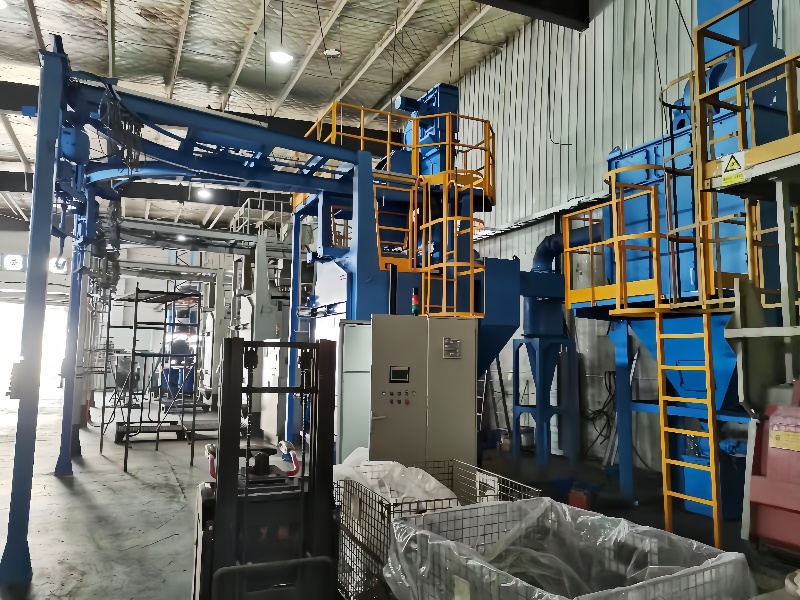
In the fast paced world of modern manufacturing, mass production demands efficiency, consistency, and high quality output. Automated shot peening machines have emerged as a revolutionary solution, addressing these requirements in the crucial process of surface treatment. Shot peening, a technique that involves propelling small spherical particles onto a workpiece's surface to induce compressive stresses and enhance fatigue resistance, has been transformed by automation.
Automated shot peening machines for mass production are designed to handle large volumes of workpieces with minimal human intervention. They combine advanced mechanical engineering, sophisticated control systems, and intelligent automation technologies to ensure that each component receives uniform and precise shot peening treatment. This article will explore the various aspects of these machines, including their design features, working principles, key benefits, applications across industries, and future trends, highlighting how they are reshaping the landscape of mass manufacturing.
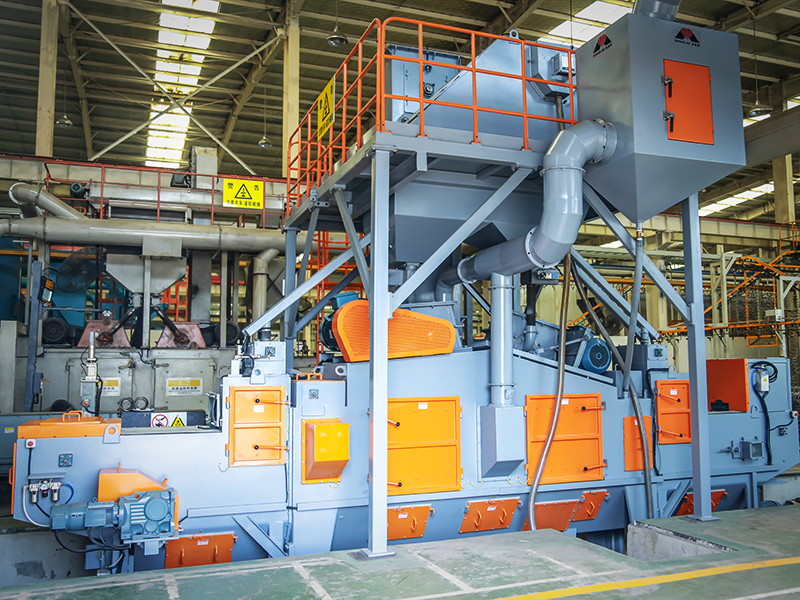
Shot peening has evolved from a rudimentary surface treatment into a highly sophisticated process critical for enhancing the fatigue life and stress resistance of engineered components. At the heart of this transformation lies precise intensity control, which enables manufacturers to tailor compressive residual stresses with extraordinary accuracy. Unlike conventional peening systems that rely on approximate settings, modern machines with precise intensity control can achieve variations as low as ±1%, ensuring consistent results across complex geometries and high-value materials. This level of precision is indispensable for industries such as aerospace, automotive, and medical devices, where component failure can have catastrophic consequences.
Precise intensity control in shot peening machines encompasses:
Ultra-stable shot velocity regulation (±1% tolerance)
Dynamic media size and flow rate adjustment
Real-time process monitoring with feedback loops
Digital recipe management for repeatability
This technology has revolutionized the peening process, enabling manufacturers to meet the stringent requirements of modern engineering materials, including titanium alloys, nickel-based superalloys, and advanced composites.

sign up newsletter
Email:cennia@szmizhi.com
Add::104,Building 27,Third Industrial Zone, Longxi Community,Longgang District,Shenzhen,China.